
What a morning webinar reminded me about the rhythm of the creative process:
I joined a CreativeMornings Virtual FieldTrip this morning hosted by Christine Garvey – artist, coach, and founder of a mighty practice. She laid out something I have been pondering about for while: a framework for the creative process.
Her 5-step framework isn’t complicated, but it’s honest in a way that most “productivity systems” for creatives aren’t: It doesn’t promise a straight line from inspiration to finished work. It acknowledges the messy, non-linear reality of actually making things. And I haven’t stopped thinking about it since.
As someone building my artist project – writing, producing, performing, and releasing electronic music – I recognized myself in every single stage.
Sometimes stuck in one. Sometimes skipping another entirely and wondering why nothing’s flowing.
“In order to go deep, we need a process.”
Christine Garvey
Here’s what the framework looks like, and what it means to me in practice:



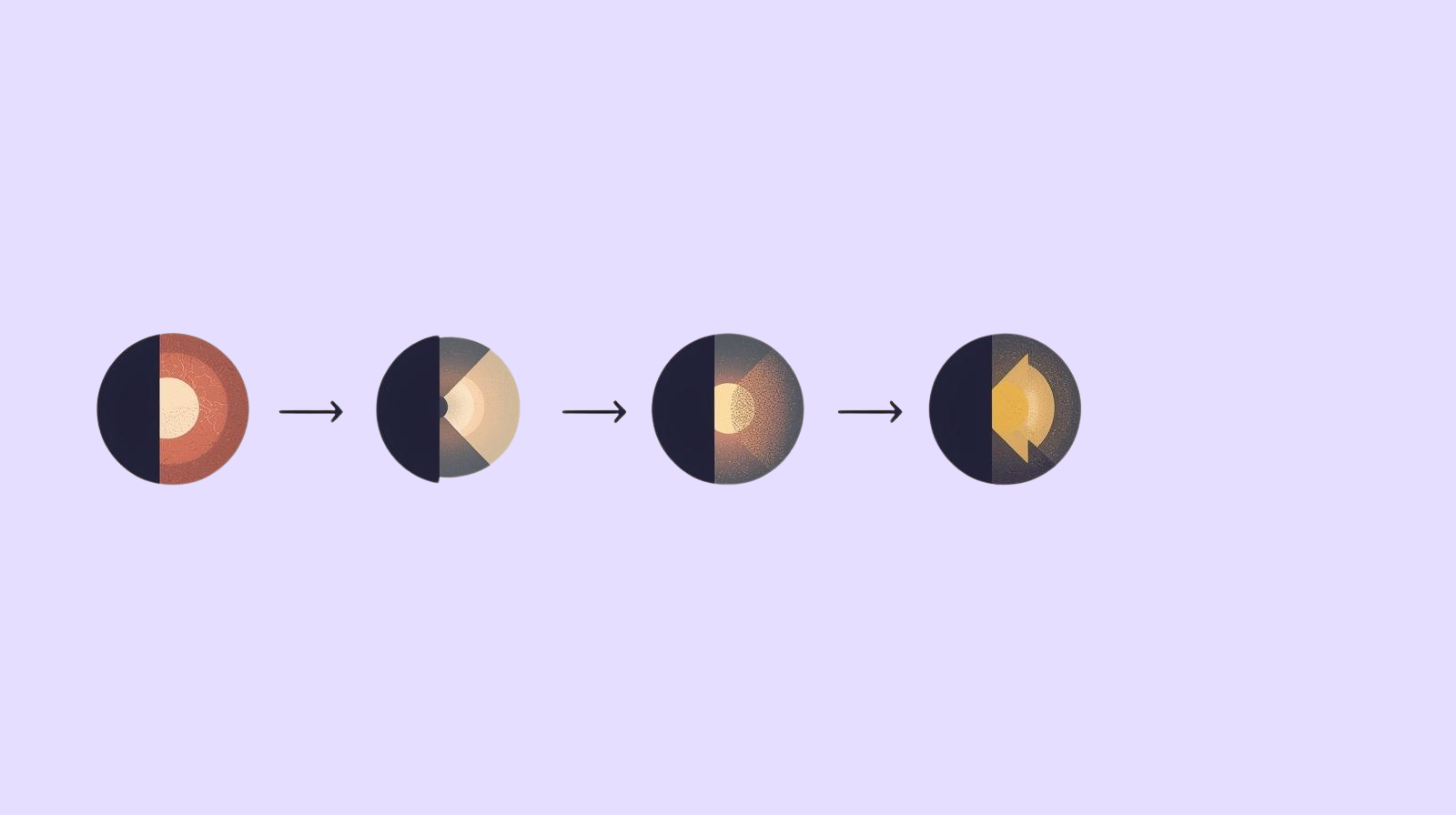
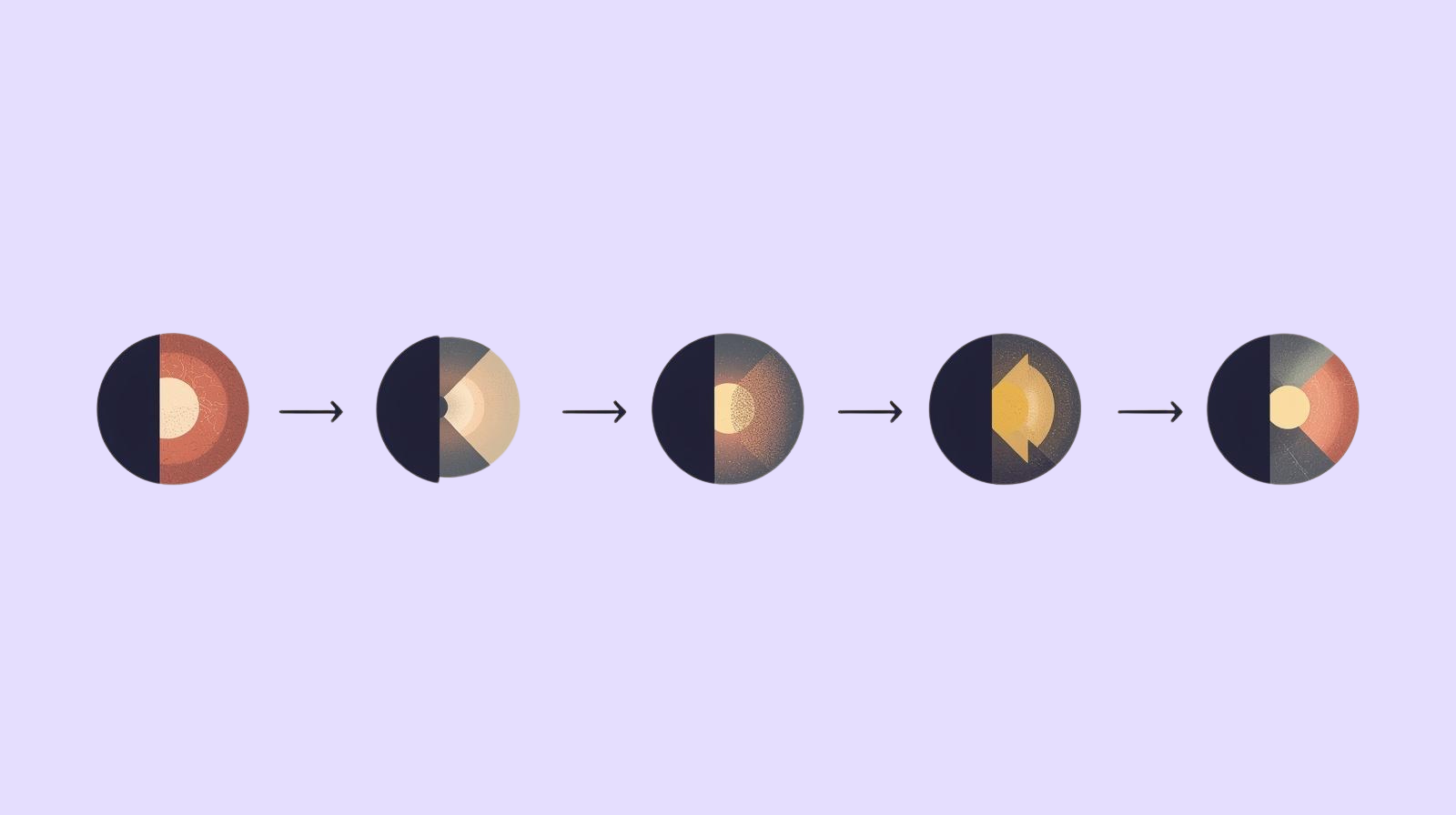
What I love most about this framework is that it reframes the “unproductive” moments of a creative life as necessary stages, not failures.
The afternoon you spend listening to records isn’t wasted – it’s “Fuel”. The little sketch that goes nowhere isn’t a mistake – it’s “Play”.
I’m going to start noticing where I actually am in this cycle at any given moment, rather than demanding to be productive and “Generate” all the time. That alone feels like a small revolution.
If this resonated with you, I’d strongly recommend looking up Christine Garvey’s work: Christine is an artist, coach, and founder of a mighty practice, a resource for creatives navigating their practice. The five-stage framework shared here is hers; the reflections are mine. Her podcast and coaching go deep into exactly these kinds of questions for artists and creatives.

The 5 stages every creative needs to know
What a morning webinar reminded me about the rhythm of the creative process: I joined a CreativeMornings Virtual FieldTrip this morning hosted by Christine Garvey – artist, coach, and founder of a mighty practice.
Is AI killing real art – or making it more valuable than ever?
There’s a question that keeps circling through the music world right now, whispered in studios, debated in Discord servers, and felt in the gut of every independent artist staring at their DAW: Is what
Help, I can´t hear myself think!
Or: How to love the creative chaos? Welcome to my first-ever blog post! Yes, I'm an electronic music artist. Yes, it took me this long to find my voice. And yes, I'm now using